
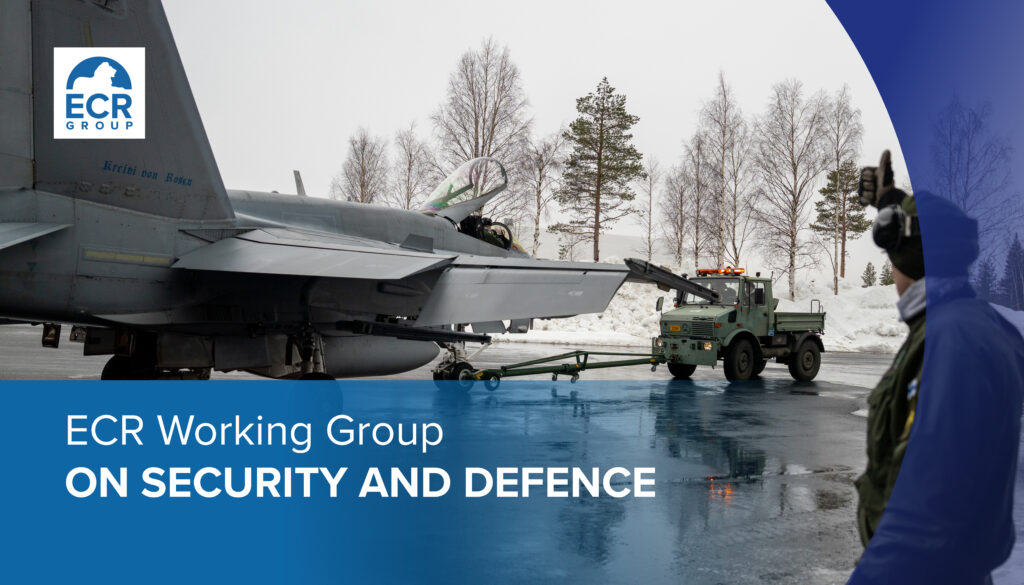
The group will focus mainly on legislation that affects EU defence and security, as outlined in the White Paper on European Defence – Readiness 2030, including but not limited to: defence transfers, market barriers and banking regulations, emerging disruptive technologies, scaling defence manufacturing, maintaining operational readiness, developing regional manufacturing hubs, routine joint trainings, specializing in counter-drone warfare, with an overall emphasis on capability development within Member States.
The group will identify and address barriers to capability development, such as: regulatory burdens and market distortions caused by EU intervention, defence inflation, harmonization efforts and fragmentation within the Single Market, skills gaps and labour shortages, supply chain vulnerabilities and EDF/NATO financing limitations. The group will prioritize reducing red tape and fostering a regulatory environment that incentivizes private investment, joint research and development (particularly in high-tech industries) and cooperation with key NATO Allies. It will also support policies that encourage regional defence development, facilitate the commercialisation of new technologies, and promote the growth of start-ups and scale-ups. The focus areas will include industrial development and expansion capacity, stockpiling, joint trainings, countering defence inflation, developing emerging disruptive technologies and the need to prioritize counter-unmanned autonomous systems (C-UAS) in frontline states.
By focusing on these areas, the ECR Working Group on Defence and Security will play an important role in shaping a policy agenda that supports enhancing the operational capability of Member State Armed Forces, ensuring a qualitative military edge and reduced regulatory burdens.