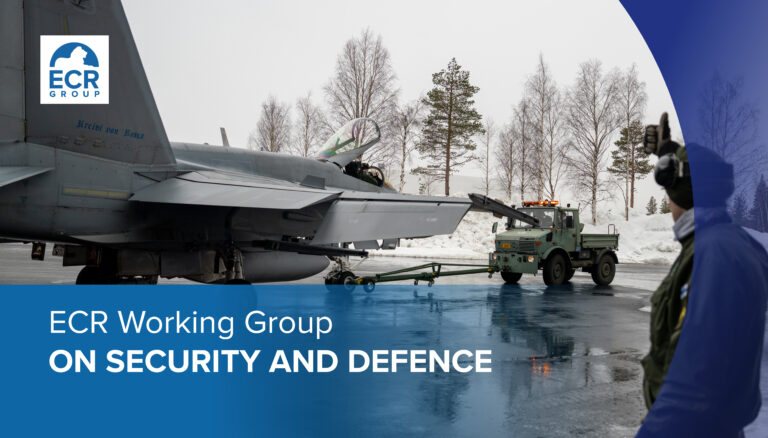

The ECR Working Group on Defence and Security visited frontline defence industry sites in Poland from 30 September to 2 October, to assess production capacity and the urgent needs of Member States and Ukraine for drones, ammunition and other critical defence capabilities.
During the visit, ECR Members toured leading Polish defence industry facilities and engaged directly with senior industry representatives to gain first-hand insight into the realities of modern warfare and the industrial requirements needed to strengthen Europe’s defence.
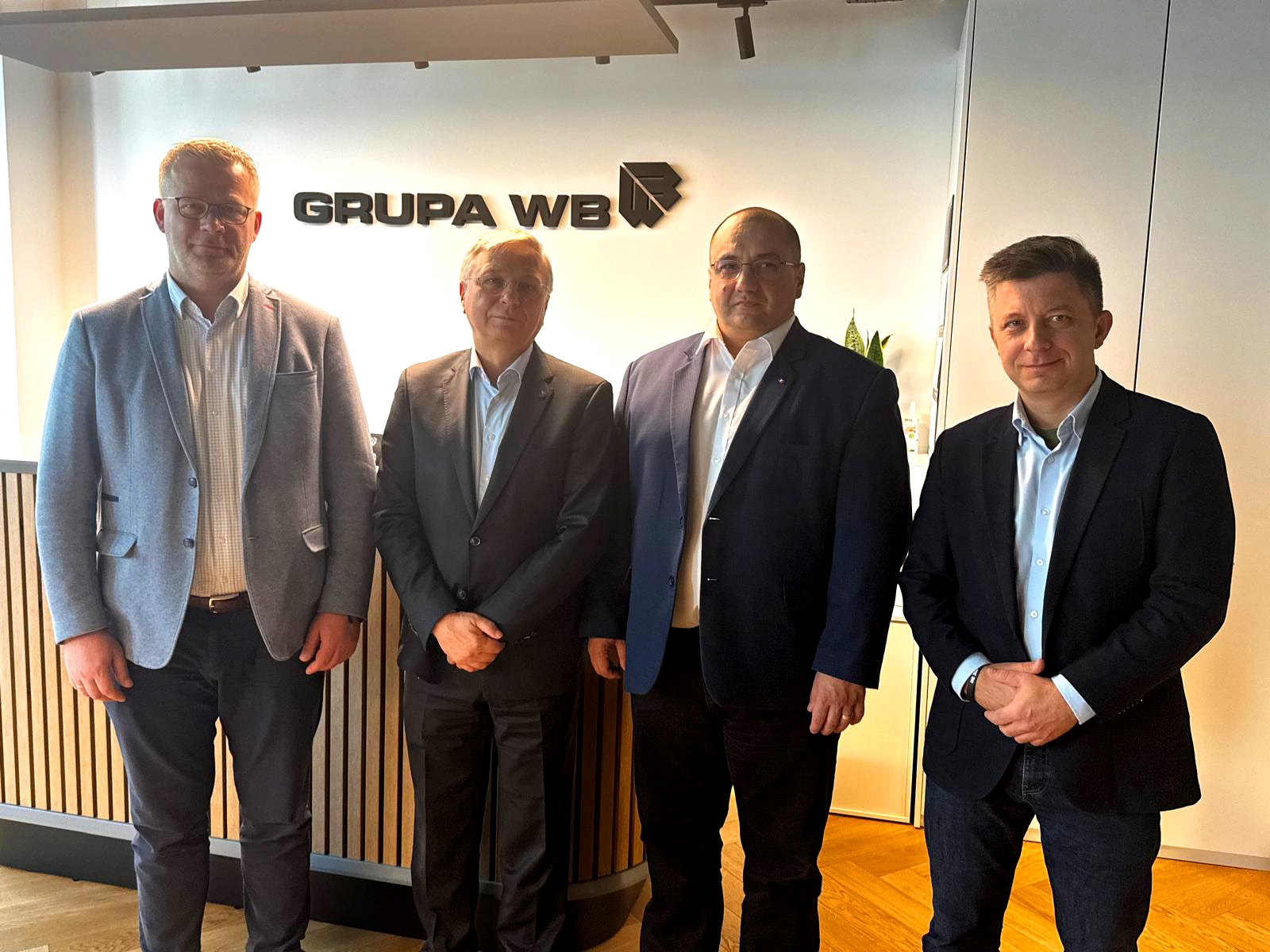
The delegation visited key drone producer WB Group, where Members received valuable insight into the development of drones and electronic warfare capabilities. The discussions highlighted the importance of maintaining an operational edge and ensuring that European industry can continue to provide effective support to Ukraine.
Members also engaged with senior representatives of Niewiadów S.A. Polish Military Group and participated in a dynamic weapons demonstration. The visit provided a clear picture of battlefield requirements and the realities faced by soldiers in modern warfare, while underlining the importance of strengthening industrial capacity and stockpiles to ensure credible deterrence on NATO’s Eastern Flank.
At Fabryka Broni in Radom, the delegation saw first-hand the technology, infrastructure and facilities required for modern munitions production.
The programme included multiple dynamic weapons demonstrations, tours of defence industry facilities and exchanges with senior representatives from across the Polish defence sector. These engagements provided ECR Working Group Members with valuable insight into the legislative and regulatory measures needed at European level to protect and expand critical defence infrastructure, embrace automation and accelerate production.
Direct engagement with Europe’s defence producers remains a key priority for the ECR Working Group on Defence and Security as it works to shape the legislation and financing necessary to strengthen national defence industries and Europe’s overall security.
The visit also underlined the importance of listening directly to frontline states and military operators. First-hand knowledge of the needs of soldiers on the modern battlefield must remain a key lens through which European defence initiatives are developed, ensuring that EU policies respond to operational realities and contribute effectively to supporting Ukraine and deterring further Russian aggression.