

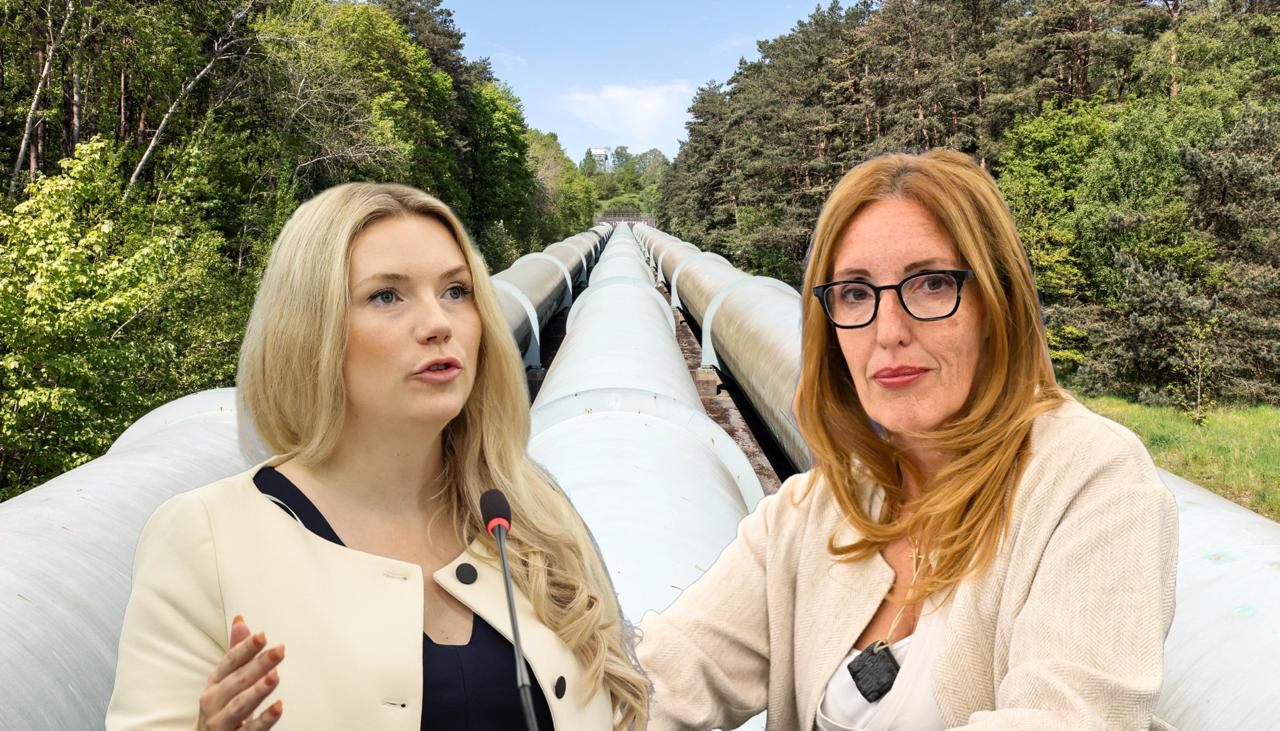
A two-year postponement of key requirements under the EU Methane Regulation will give energy companies more time to comply and reduce the risk of new rules disrupting Europe’s energy supplies, ECR MEPs Elena Donazzan and Beatrice Timgren said following today’s joint vote by the European Parliament’s Environment and Industry Committees.
The agreement postpones by two years the application of certain requirements for importers of natural gas, crude oil and coal, as well as EU operators. The move comes after concerns that companies were being required to prepare for obligations while important implementing rules and verification systems were still being developed by the European Commission.
ECR Shadow Rapporteur in the Committee on Industry, Research and Energy Elena Donazzan said:
“We secured a two-year postponement of poorly thought-out EU methane obligations, protecting energy security and giving businesses more time to comply. Companies should not pay the price for the Commission’s failure to put the necessary rules and verification systems in place on time.
“This is a victory for common sense and competitiveness over unrealistic EU deadlines and regulatory excess.”
ECR Shadow Rapporteur in the Committee on the Environment, Climate and Food Safety Beatrice Timgren said:
“Brussels cannot expect companies to follow rules it hasn’t even finished writing.
“With energy bills already high, the last thing Europe needs is EU bureaucracy putting energy supplies at risk. Families and businesses should not have to pay the price for Brussels’ mistakes.”
The agreement concerns Regulation (EU) 2024/1787 on reducing methane emissions in the energy sector. It does not suspend the regulation as a whole, but gives operators additional time to meet specific reporting, monitoring and verification requirements. The Commission had initially proposed a one-year postponement, while the final compromise extends the delay to two years.
The text was adopted by 99 votes in favour, 60 against and 6 abstentions, showing that a right-leaning, pro-business majority can prevail in Parliament when competitiveness and energy security are at stake. Parliament will vote on the text on Thursday.